
Digital 3D Prototyping: Bringing Design Concepts To Life

Whether it’s an idea written out on paper or something you have come up with while talking with someone else or thinking up an idea, everyone has at least one place that they have created or come up with their design ideas from. After coming up with your design ideas you then move on to the next step which is showing your design ideas so others can understand exactly what you are trying to say; then finally there is the step of making sure the finished design will match what you had envisioned when you first started out.
Digital 3D prototyping: the solution to design challenges
The solution to all of these questions is Digital 3D Prototyping. This has become a popular tool for Designers, Architects, Brands & Manufacturers to turn their conceptual designs into 3D digital entities that can all be reviewed, improved, and completed digitally before any of them are ever constructed physically.
3D Hedra’s approach to digital prototyping
At 3D Hedra, the team does not think of digital prototyping simply as a service that provides no real creative value but rather uses it as a creative link between the “imagination” and “actuality”. In this way, the client is able to visualize their design completely in the 2-dimensional world in full detail. They will also be able to determine the overall quality of the physical object that now matches their imagination prior to moving forward with the actual production/construction of the object they envisioned.
Digital prototyping at 3D Hedra isn’t considered solely an engineering service, it is also viewed as a creative tool to connect imagination to physicality. This process allows each client to envision their final design in its entirety, understand all of the little components that make up the entire design, and confidently make the call to go ahead with production or construction.
Digital 3D prototypes are created
Digital prototyping (3D models) is created by designers using a computer-aided design (CAD) program. Designers are given the ability to visualise how their final product will look by being able to create a digital version of their design in 3D as apposed to using the traditional methods associated with 2D drawings or a written description. Designers are able to turn or pivot the digital prototype and provide a thorough visualisation of what their finished product/space will look like before they start that project.

Key benefits of digital prototypes
Digital prototypes (3D models) are an excellent way to be able to manipulate and change the digital prototype in three different ways: rotation, zooming, and viewing all angles (360 degree views) of the prototype as though it existed in actual reality. No matter if you are designing a product, piece of furniture, architecture, or a component for a manufacturing facility, the digital prototype can be made available to all parties involved in the construction of the project before any kind of physical construction takes place.
Digital prototypes allow you to:
Rotation
Zooming
Viewing all angles (360 degree views)
You’re essentially making a “pre-final version” of your design before you ever spend any money or time making a physical model.
The Importance of Digital 3D Prototyping in Today's World
Industries are adopting Digital Prototyping faster
As the pace of design increases, as well as the level of competition and the amount of detail in designs, clients no longer want sample products to wait weeks or months before they have a chance to see them and manufacturers wish to avoid incurring significant costs due to mistakes, developers wish to get the approvals they need with greater efficiency, and brands desire to have visually compelling designs right from the start.
Digital Prototyping as a global industry standard
Digital 3D prototyping has now solidified its role as an integral part to processes throughout many of the world’s industries. Digital 3D prototyping allows groups to discover possible problems sooner rather than later, improving the quality of the designs that they create and allowing for clearer communication of their ideas and designs to other team members and even outside parties than they’ve ever had available.
Eliminating confusion from sketch interpretations
In addition to all of these things, the process of digitally prototyping eliminates possible confusion with regards to the interpretation of sketches. A sketch can be subject to multiple interpretations, but by being able to provide a physical representation of a product via an actual three-dimensional prototype, a designer can develop an understandable example demonstrating a product’s dimensions, characteristics, and intended construction. Digital 3D prototyping provides an opportunity for both designers and clients to begin at the same point of reference from the day of design inception.
Reasons Digital Prototyping Helps Avoid Costly Mistakes
Preventing errors before production begins
One of the biggest reasons businesses invest in digital prototyping is simple: it prevents expensive errors.
When a design is directly moved from a rough drawing to production, even a small mistake in dimensions or structure can lead to major losses. In architecture, it may cause changes during construction. In product manufacturing, it may result in wasted material and delays. In interior projects, it can lead to incorrect placements or poor space utilization.
Easy adjustments and better decision making
With Digital 3D Prototyping, changes can be made early and easily. A design can be adjusted multiple times until it feels perfect. This not only saves money but also prevents unnecessary rework later.
Instead of “hoping it looks right,” teams can test the idea digitally and confirm it works before committing to execution.
Making ideas a reality by creating realistic representation of ideas
Role of concept 3D design renders
Concept 3D Design Renders provide a true sense of what the digital model can provide when it is presented in an attractive and realistic way.
While a 3D digital model can depict the structure of the design effectively, the concept renderings will create a lifelike representation of that model by adding texture, lighting, shadows, reflections, materials, and realistic surroundings to the model; thereby allowing a client to visualize what the design will look like once it is built.
For example:
A furniture design can be shown with wood texture, fabric details, and real lighting effects.
The exterior of a structure can be presented using realistic landscaping combined with natural daylight.
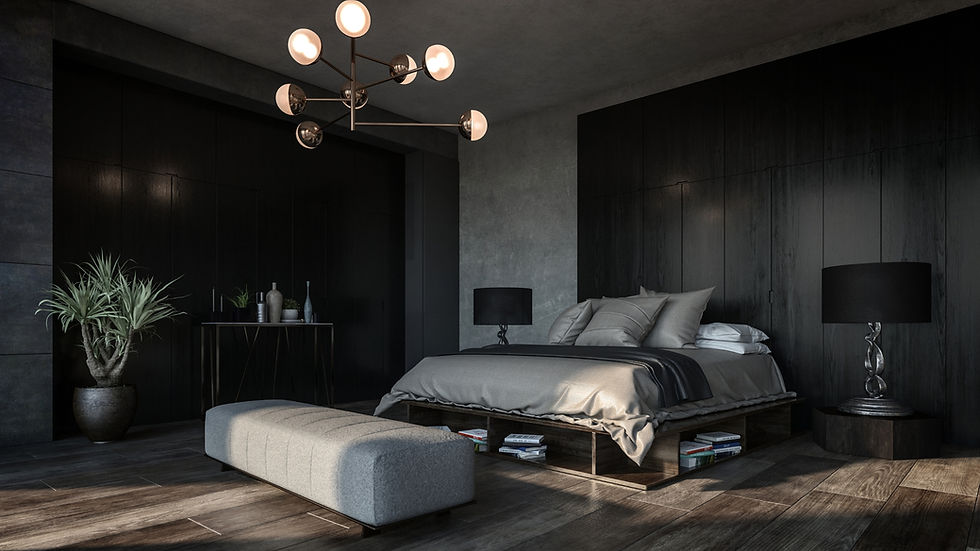
An interior design is illustrated with furniture layout style selection, colour scheme selection, and ambience.
Reasons high-quality 3D renders matter
High quality Concept 3D Design Renders provide greater impact for presentations and faster approvals. The rendering will also help your client emotionally connect with the concept, which is usually the tipping point in determining your client's direction for their project.
Digital 3D prototyping for architecture and interiors
Meeting bangalore’s growing design demands
While there are many design opportunities in fast-growing Bangalore, limited space and increasing demands are requiring architects to be more precise when planning spaces. Homebuyers are looking for contemporary types of living environments, while businesses want to create premium-quality offices that have optimum usage.
Digital 3D prototyping supports the design process
In architecture and interiors, Digital 3D Prototyping supports the design process by providing, the following.
Key support areas:
3D floor plan visualization
Interior layout previews
Exterior elevation detailing
Lighting and shadow studies
Space planning and furniture mapping
Clients are able to visualize a room (and multiple versions of the room) before making a commitment. Clients benefit from having a faster and smoother time working through the stationery phase and purchasing the final design.
3D Hedra’s quality assurance
3D Hedra ensures architectural prototypes are true to size, have the proper proportions, are appropriate for use in terms of construction and design, and are of both functional and aesthetic value.

Digital 3D prototyping in product design and manufacturing
Product development needs digital prototyping
In product development, speed and accuracy are everything. Brands want prototypes that can be evaluated quickly. Manufacturers need accurate design files and product designers want the freedom to explore multiple versions without creating multiple physical samples.
This is why Digital 3D Prototyping is a major advantage in product design. It allows businesses to test different shapes, sizes, and design variations before finalizing the product.
Applications of digital 3D prototyping
It is especially useful for:
Consumer products
Packaging design
Furniture concepts
Industrial machinery parts
Decorative and lifestyle items
Once the digital prototype is ready, it becomes easier to share the design with production teams, marketing departments, and investors. It creates a clear and professional presentation that helps move the project forward.
Concept 3D Design Renders Make a Difference
Better presentation, better approvals
Many projects fail not because the design is weak, but because the presentation is unclear. Clients may not understand technical drawings. Stakeholders may not visualize the final outcome. Even a great concept can lose its impact if it is not shown properly.
This is why Concept 3D Design Renders are so valuable. They simplify communication and help people understand the design instantly. A realistic render can explain in seconds what words may take hours to describe.
3D Hedra’s rendering expertise
At 3D Hedra, they create high-quality 3D renders with a focus on creating realistic, polished images. Every detail of the render file (surface textures, lighting, etc.) is polished to give the finishing touch to the image.
Conclusion
Creating designs will be an adventure! A well-conceived design concept is essential to the success of any design project. Just like it is necessary to have solid design concepts, a designer must have clear ideas on how to take the design from concept to reality. Digital 3D Prototyping (also known as Digital 3D Protypes), therefore, is an ideal solution because of its ability to accurately portray design and flexibility with the added benefit of realism.
When 3D Prototypes are combined with 3D Concept Design Renderings, 3D digital prototyping becomes even more powerful by providing evidence to support the design, providing evidence of the design.
For designers needing to complete professional-quality digital design prototypes for their designs, 3D Hedra can give designers the creative expertise and assistance to develop their designs digitally before the actual design development and construction begin.
FAQs
What is Digital 3D Prototyping?
Digital 3D Prototyping is the process of creating a detailed 3D model of a product, building, or concept using digital software. It helps visualize the design before it is physically manufactured or constructed.
Why is Digital 3D Prototyping important for design projects?
It helps reduce errors, saves cost, improves accuracy, and allows designers and clients to review the concept clearly before final execution.
How does Digital 3D Prototyping save time and money?
By identifying design flaws early, it prevents expensive rework, reduces the need for multiple physical prototypes, and speeds up approvals.
What are Concept 3D Design Renders?
Concept 3D Design Renders are realistic visual representations of a 3D prototype. They include textures, lighting, materials, and shadows to make the design look real and professional.
Who can benefit from Digital 3D Prototyping?
It is useful for:
Architects and interior designers
Product designers
Manufacturers
Builders and developers
Marketing and branding teams


Comments